
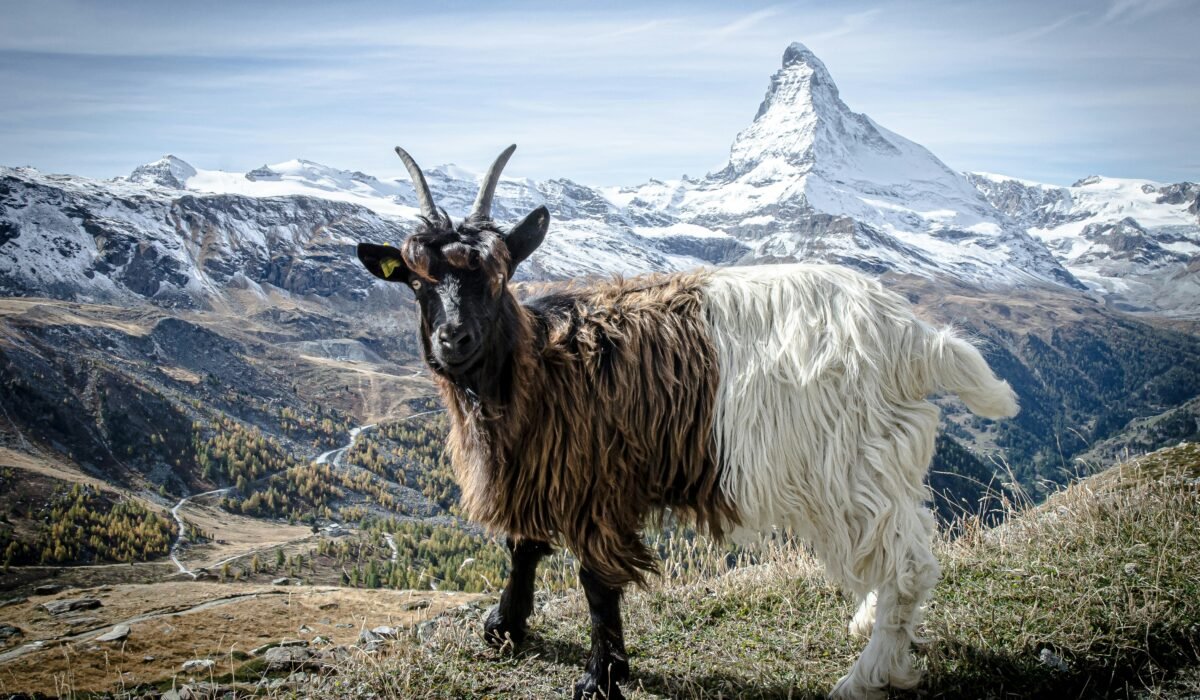

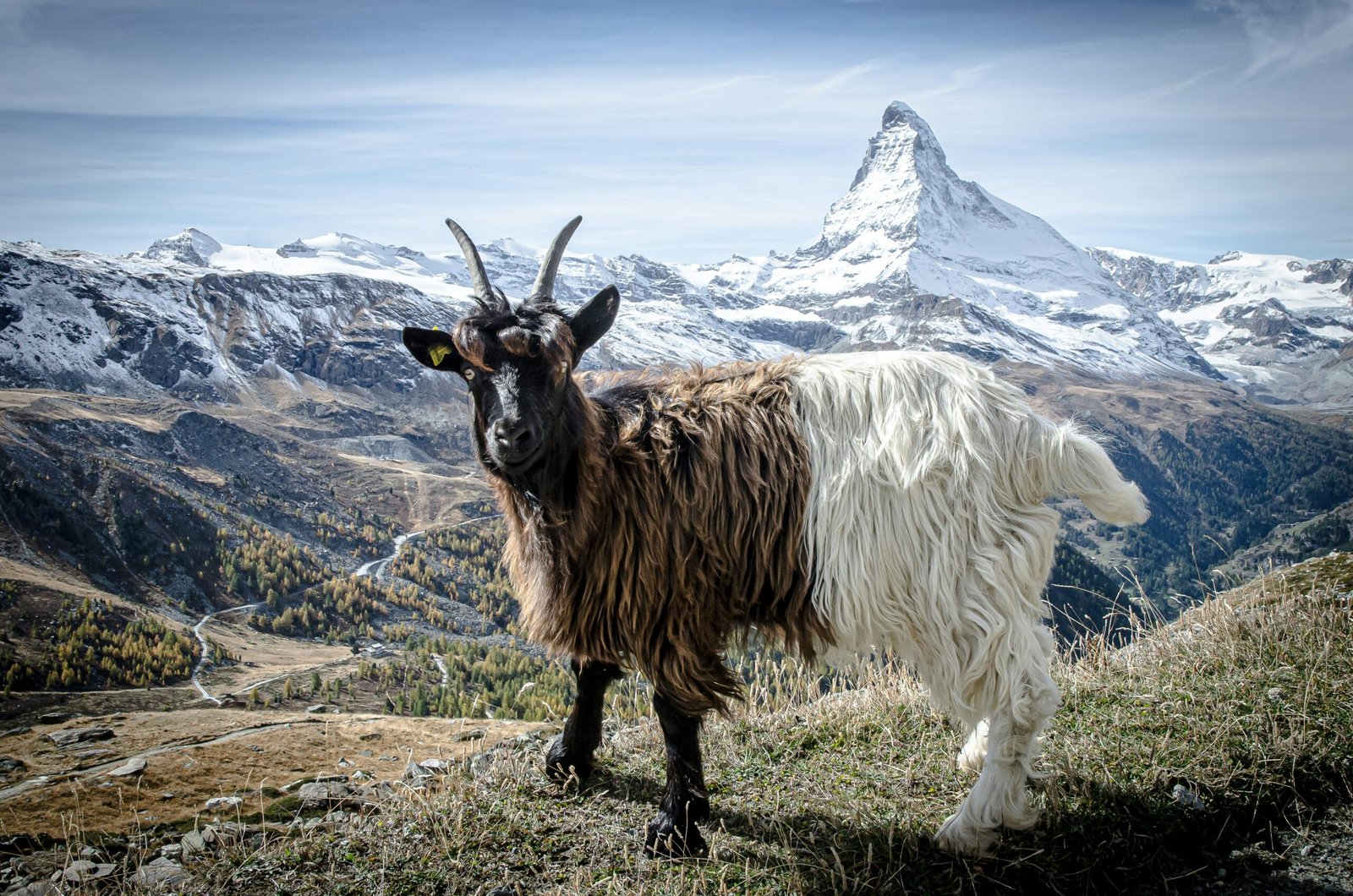
Goat in the foreground with the snow-covered Matterhorn in the background, near Zermatt

Zermatt: Complete Travel Guide at the Foot of the Matterhorn

Zermatt is one of Switzerland’s most iconic mountain resorts, set in a car-free valley beneath the Matterhorn, with easy access to world-class viewpoints, skiing, and hiking. This Zermatt travel guide covers when to go, how to get there smoothly, what to do, and how to plan a trip that feels effortless from the moment you land.
>br> Zermatt sits at about 1,604 m above sea level and is famous for its dramatic alpine scenery and direct access to high-mountain excursions. One reason the village feels so peaceful is that it’s car-free, so visitors arrive by train and then get around on foot or with local electric vehicles. If the goal is “Matterhorn views every day,” staying in Zermatt makes that easy: the mountain dominates the skyline and shapes most of the area’s best activities.

This “Zermatt: Complete Travel Guide at the Foot of the Matterhorn” is designed for first-time visitors, ski trips, summer hiking holidays, and short breaks where time matters. It’s also built around a simple idea: the smoother the logistics (airport arrival, luggage, connections), the more time you have for the mountains.

Getting to Zermatt (the smart way)

The most important planning detail: Zermatt is car-free, and private cars can’t drive into the village. If you’re coming by car, you typically park in Täsch and continue to Zermatt by train shuttle (around 12 minutes).​

For most travellers arriving by plane, the trip has three practical steps:

-Airport pickup (or train) to the Valais region.

-Arrival at Täsch/Zermatt rail access (depending on route).​

-Final “last mile” to your hotel by walking or an electric taxi/shuttle once you’re in the village.​

Private transfer vs. train-only travel

Trains in Switzerland are excellent, but Zermatt trips often include bulky luggage (ski bags, winter gear) and tight connections—especially when landing late or travelling with kids. A private transfer to Täsch can reduce connection stress, handle luggage easily, and keep your arrival on schedule with the Zermatt shuttle.​

If your website sells transfers, place a booking call-to-action right here (after explaining the Täsch “car-free barrier”), because this is where travellers feel the friction and actively look for a simple solution.

When to visit Zermatt

Zermatt is a year-round destination, but the best time depends on whether you’re planning skiing, hiking, or scenic lift rides.​When to visit Zermatt

Winter (roughly Dec–Apr)

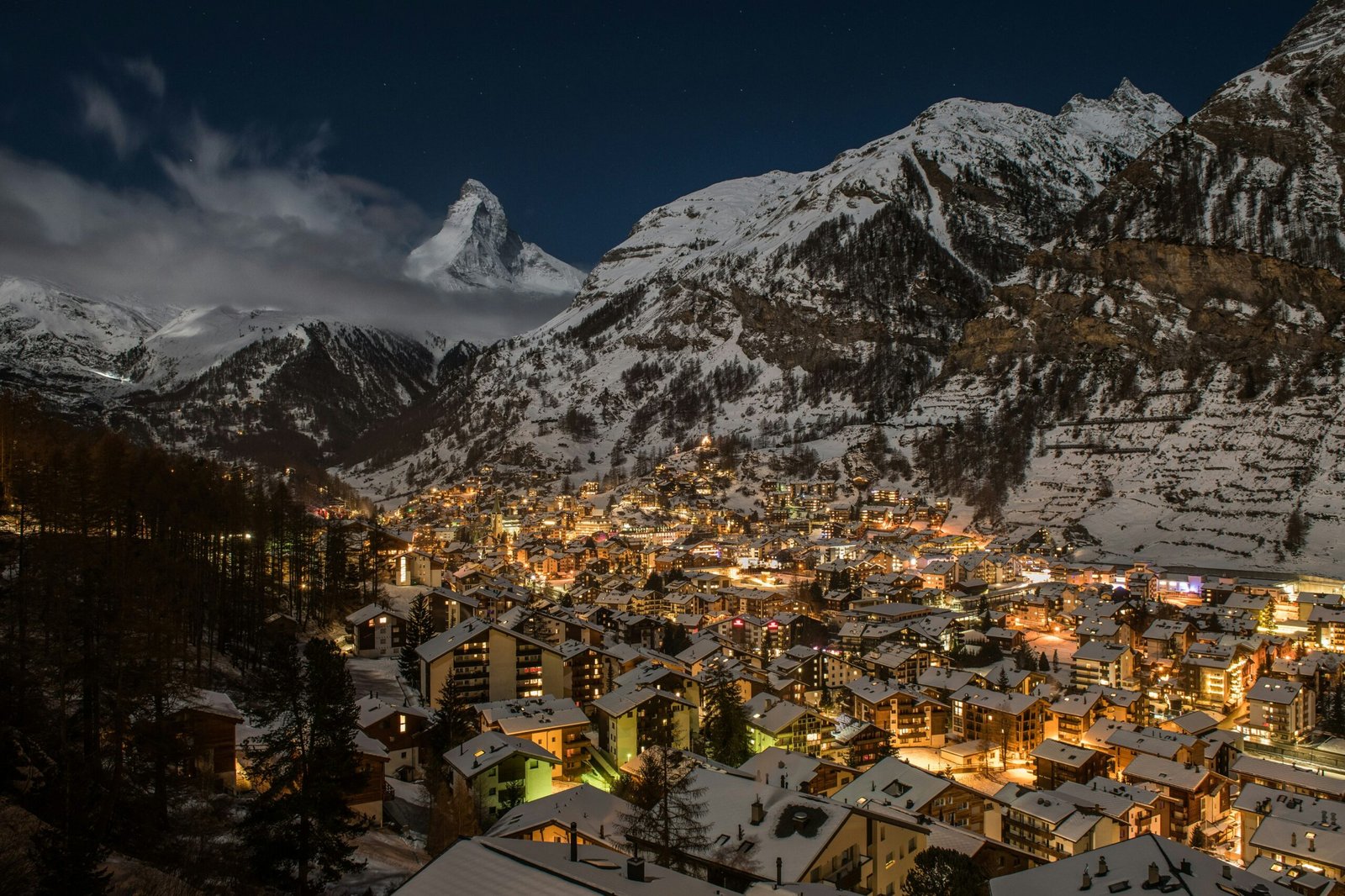
Winter is for classic Zermatt: snow-covered streets, ski days, and après-ski nights. The big advantage is direct access to one of the Alps’ most famous high-mountain lift systems, plus a village atmosphere that feels built for winter holidays. If you’re travelling in peak winter weeks, book accommodation and transfers early so you can match arrival times to hotel check-in and avoid long waits at busy times.​

Summer (roughly Jun–Sep)

Summer is ideal for hiking, mountain biking, photography, and clear-weather viewpoints. Many visitors love this season because you can combine lift rides with easy panorama walks—then finish the day with outdoor dining and long evenings in the village.

Shoulder seasons (spring/autumn)

Spring and autumn can be quieter and better value, but it’s common for some mountain infrastructure to reduce operating hours while maintenance happens. Planning becomes more about checking what’s open on your exact dates and building a flexible itinerary.

Best things to do in Zermatt

Zermatt rewards both “active” trips and “scenic” trips—meaning you can fill your days with hiking and sport, or simply ride lifts and enjoy world-class views.​

Ride the Gornergrat Railway (one of Zermatt’s signature days)

The Gornergrat Railway is a historic cogwheel railway that first reached Gornergrat in 1898 and was the first electric cogwheel railway in Switzerland. It runs from Zermatt (about 1,604 m) up to Gornergrat at 3,089 m, crossing multiple vegetation zones on the way. For many visitors, this is the easiest “big view” day because you can step off the train into a panorama of glaciers and 4,000 m peaks, with the Matterhorn right in the scene.​

Tips:

Go early for clearer morning views.

Bring an extra layer even in summer—high viewpoints can feel cold.

If you’re short on time, this is often the single best half-day excursion to prioritize.

Visit Matterhorn Glacier Paradise (Klein Matterhorn)

Matterhorn Glacier Paradise is reached by a 3S cableway and sits at 3,883 m altitude. The Swiss Travel System describes it as the world’s highest 3S cableway and highlights views that include 38 four-thousand-metre peaks and 14 glaciers from the viewing platform. The same source notes attractions like the Glacier Palace (an ice world inside the mountain) and a typical travel duration to the summit of about 45 minutes.

Planning notes:

At nearly 3,900 m, altitude can hit hard—take it slowly, hydrate, and plan a relaxed first hour.

Weather changes fast; if you have only one chance, choose your clearest forecast day.

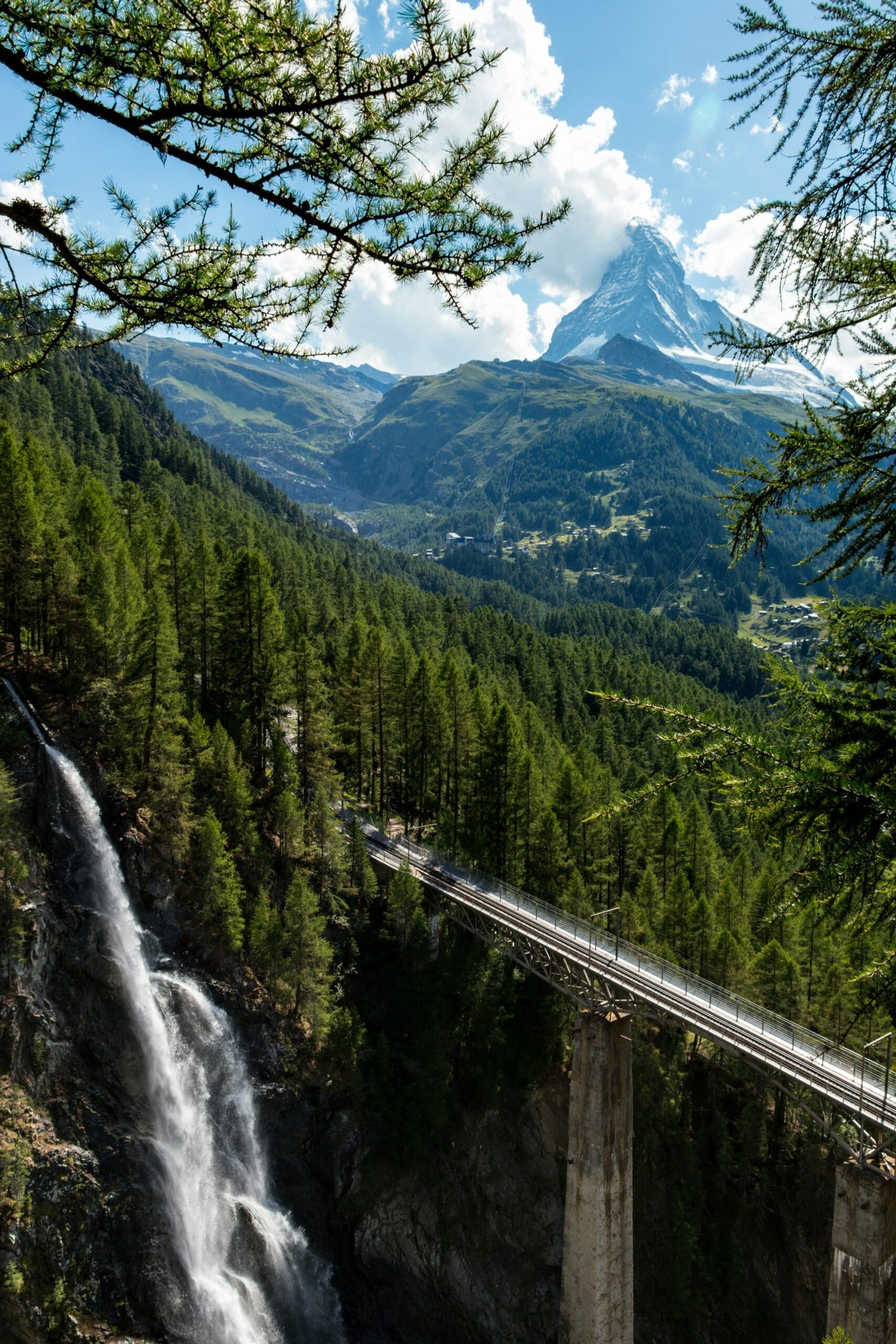
Matterhorn view from Zermatt, Switzerland, with alpine forest and mountain peaks

Enjoy the car-free village experience

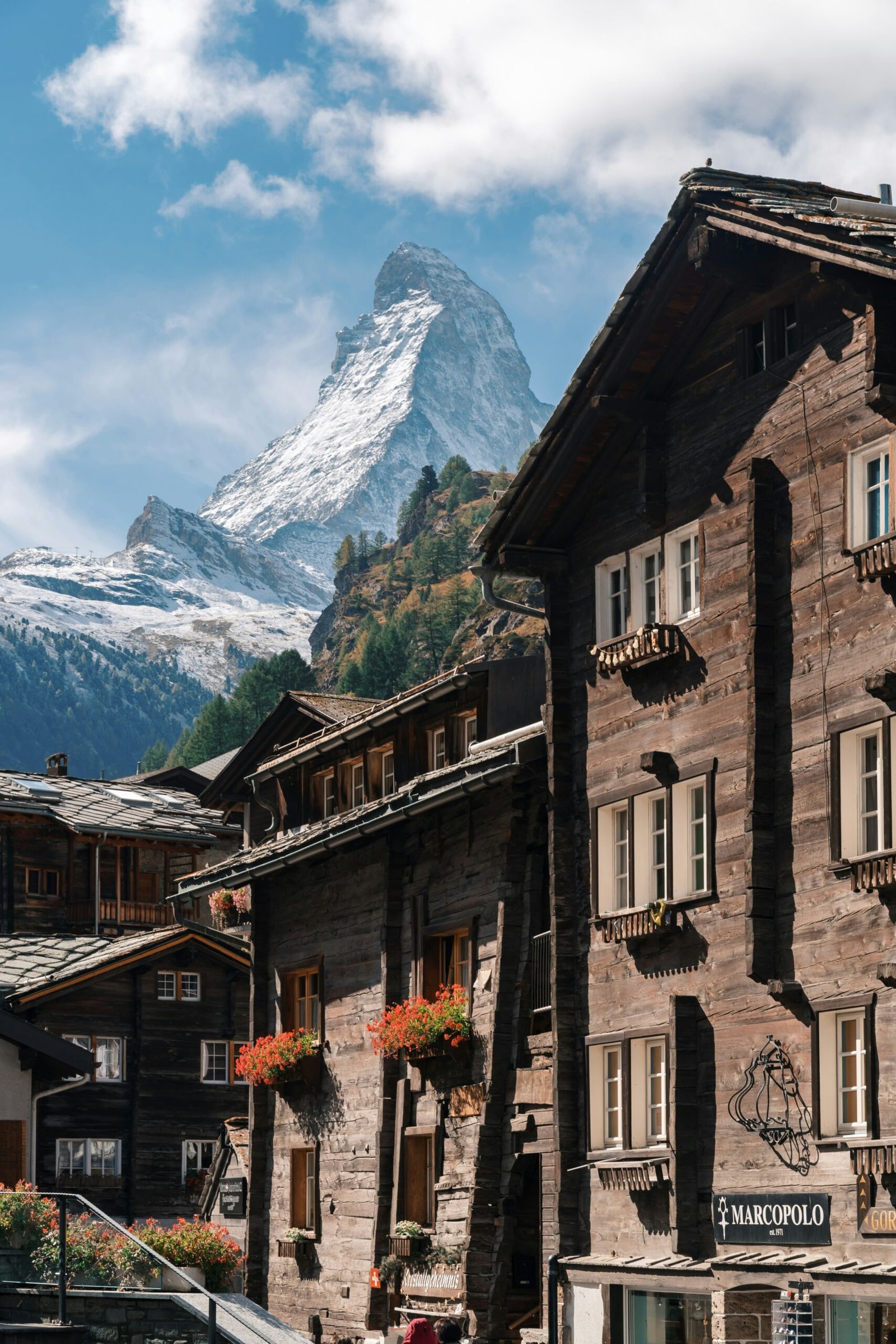
Part of Zermatt’s charm is that the village itself is an attraction: quiet streets, mountain air, and a relaxed pace that’s rare in major resorts. Even without skiing or hiking, a slow day in Zermatt works well: coffee with Matterhorn views, local shops, and a long dinner in a cosy restaurant.​

Outdoor activities (hiking, winter sports, and more)

Zermatt is built for the outdoors in every season. In winter, most visitors focus on skiing and snowboarding; in summer, the area is known for mountain trails and lift-assisted hikes with views that don’t require extreme fitness. If your readers are deciding between “activity-heavy” and “scenery-first,” Zermatt supports both styles easily.​

Practical tips (and how to make the trip effortless)

A great Zermatt travel guide should do more than list attractions—it should prevent common mistakes that cost time, comfort, and money.

Book the logistics first

Because the village is car-free and access is structured around rail/shuttle travel from Täsch, transport timing matters more here than in many destinations. If you’re offering transfers, encourage readers to book as soon as flights are confirmed, then build the rest of the itinerary around a calm arrival.​

Pack for altitude and fast-changing weather

High viewpoints like Gornergrat (3,089 m) and Matterhorn Glacier Paradise (3,883 m) can feel much colder than the village. Layers, sunglasses, and good footwear are “all-year essentials” in Zermatt—whether you’re walking on snowy streets or doing a sunny panorama trail.​

Plan “big view” days around visibility

Zermatt’s signature experiences are all about what you can see. If the forecast is cloudy, swap a summit day for village time, museums, spa time, or a relaxed meal—and keep your clearest day for Gornergrat or Matterhorn Glacier Paradise.​

TransferSearch

Related Posts
Goat in the foreground with the snow-covered Matterhorn in the background, near Zermatt
Travel Comments are Closed

Zermatt: Complete Travel Guide at the Foot of the Matterhorn

Essential guide to Zermatt: best time to visit, top things to do and how to…

Travel Comments are Closed

Zurich Airport Transfers: The Smartest Way to Start Your Swiss Trip

Have you spent the last few years wistfully daydreaming of places to visit?
Chauffeur Comments are Closed

Lucerne Transfers: The Easiest Ways to Reach Switzerland’s Lake City

The real estate market in Dallas has been booming, with a surge in both residential…

A Beginner’s Guide to Arriving in Switzerland Smoothly

Explore the picturesque countryside of England, such as the Cotswolds, Lake District, or Peak District.